
Rosie Sherry

Rosie Sherry
CEO & Founder at Ministry of Testing
She/Her
I've been working in the software testing and quality engineering space since the year 2000 whilst also combining it with my love for education and community. It turns out quality, community and education go nicely hand in hand.
🎓 MoT-STEC qualified
🎂 MoTaBirthday | November 23, 2014
Open To
Teach
Speak
Mentor
Podcasting
Meet at MoTaCon 2026
Write
CV Reviews

Crafting is increasingly my creative and therapeutic outlet, and I'm channelling my energy into Bug and MoTaverse crafts.I'm not sure how it would work out, but I have this idea of crafting all yea...
19 Sep

Your name in Landsat. You can type in their name then view and export the graphic of that name spelled out in Earth features found in Landsat images.https://science.nasa.gov/mission/landsat/outreac...
18 Sep
Thanks to the MoT crew for organising MoT London AI, Agents and Trailblazers - it is always very interesting to see how external organisations are adopting new tech and spirit thoughts about how to...
17 Sep
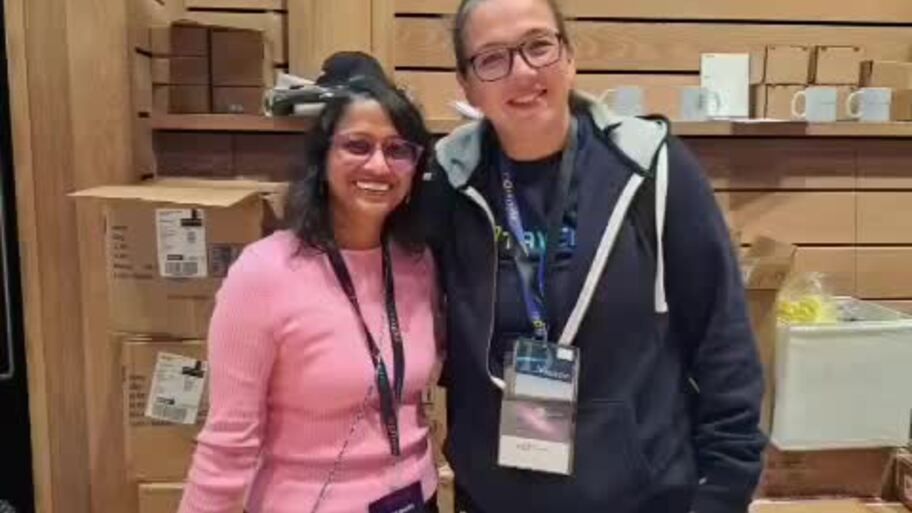
It's all about the MoTaCon Vibes - This video is a collection of moments and memories with some of the amazing people I met at MoTaCon 2025.I met so many more people but somehow I missed to have se...
16 Sep
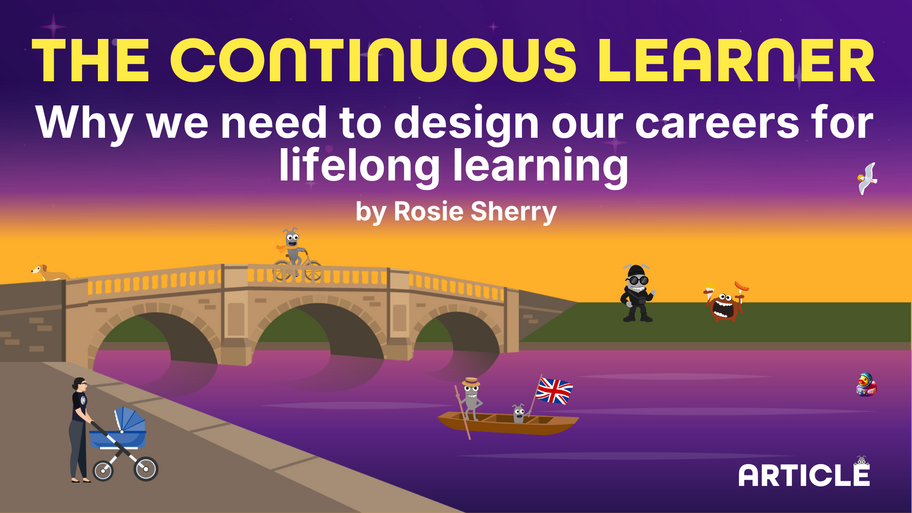
Our learning practices need to adapt to an iterative mindset
24 Jul


What the seagull? Learn how educators, boundaries, and accessible events shape community building, unpacked through bird-themed lessons.
17 Sep
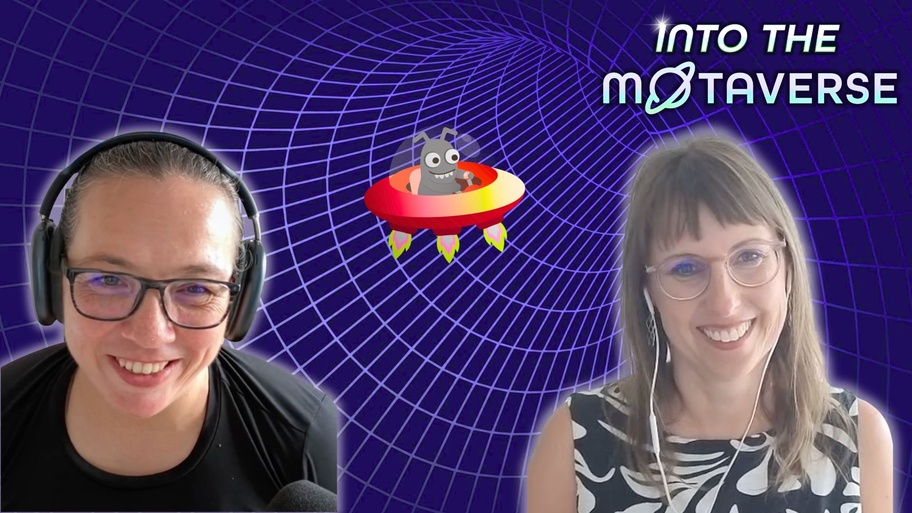
Dr Michaela Greiler on why agentic coding is breaking code review, and where testers fit into the oversight that replaces it.
16 Sep
Moments
Definition: Short-form blog posts published within the MoTaverse platform, used by members to share updates, reflections, or content without needing a longer article format. So what? Like Observatory, this is a platform-specific feature name rather than an industry term, it illustrates a lightweight, collaborative and community way for members to keep publishing and building their profile. Example: A member posting a steady stream of short updates about their work, prompting others in the community to read and respond to each one.
The Observatory
Definition: A feed within the MoTaverse platform where members share links to articles, resources, or content they've found valuable, earning recognition when others click through and engage with the shared link. So what? This is a MoT-specific platform feature rather than a general testing or tech term, so it's unlikely to be a meaningful glossary entry for an external audience, though it's worth noting as a mechanism that encourages knowledge sharing and rewards curation. Example: A member shares an article about differing personal working styles, and both the sharer and anyone who reads it via the link earn recognition for the interaction.
Round Table
A discussion format involving a small group of people, rather than just two, exploring a topic together in a conversational, non-scripted way.In the MoTaverse we host roundtables in various formats, recently introducing them online. So what? This format sits between a one-on-one conversation and a full talk, giving more people a chance to contribute perspectives on a topic in a relaxed setting. Example: A small group session where a handful of practitioners talk through a shared theme together, similar in spirit to a two-person conversational format but with more voices in the room. Editorial note: This definition has been inferred from how the term was used in the source material.
Ninety-Nine Second Talk
A very short, informal talk format lasting around ninety-nine seconds, used as a low-pressure entry point for people who haven't spoken publicly before. This short talk format started in the early days of the MoTaverse at TestBash (now MoTaCon) and has continued to live on at conferences, chapter and virtual events.It has also expanded beyond the MoTaverse and inspired external communities to adopt the same approach. So what? The short format removes much of the pressure associated with public speaking, making it an accessible first step that can build confidence and lead to further involvement, such as writing or longer talks. Example: Someone giving a ninety-nine second talk at a conference as their very first public speaking experience, which later leads them to contribute further content and encourage others to get involved too.
Call for Insights
A relaxed, conversational format practised in the MoTaverse where a guest and host discuss a topic together, without a formal presentation or script, as an alternative to a solo talk. So what? This format lowers the barrier to contributing for people who find preparing and delivering a talk alone intimidating, especially newer or less experienced speakers, while still producing valuable shared insight. Example: A first-time contributor recording a relaxed back-and-forth conversation, which then goes on to inspire other new speakers to get involved in similar ways.
Comments
(249)
Actuarity Models at MoT Edinburgh!
Bug congrats on dong the talk Chris, and thanks Richard for organising!
I'm loving seeing all the different kinds of conversations popping up around AI in Chapter events.
My first MoT London
Yes, I have the 'bit by bit, day by day' stuck in my head. That's how we build the MoTaverse, heh.
And very cool to see you stick your hand up first. I was at an evening talk with Corey Doctorow recently, they had time for Q&A, one of the rules they set was the first question had to come from a woman...as the data says it means more women are likely to ask questions. We should remember to encourage this kind of behaviour in, I feel.
Love that you've just gone for it with a Moment...and it was great to meet you too!
Just going for it
I had a nice chat with Helen too, very cool!
Every stop is a story
I've seen a few ads in that format where I feel like we can adapt it to testing, tech, the MoTaverse, it could be fun to play with that idea: take a photo of an ad placement, give it some quality commentary around it.
It's not only about what you do, but how you go about it.
I've been thinking about this recently, I like how you frame it as the 'how'.
In a sense, over the years, we've had a lot of people tell us what to do. What practices we should adopt. Dare I say the holy grail of [insert keyword here].
A lot of these 'whats' sound great on paper, but often they don't help us with the how. And perhaps the how surfaces a whole new set of skills that are not directly related to quality. The problem analysis, the team work, the grit, the teaching, the leanring, and more...
18 Sep
Hiring Is Asking for Fewer Skills and More Years. What That Means for Anyone Who Tests Code.
(azevedorafaela.com)
18 Sep



MoT member visited your Observatory contribution
Member visited Automated Accessibility Testing at Slack
Community Star
about 5 hours ago
My first bug bag
Crafting is increasingly my creative and therapeutic outlet, and I'm channelling my energy into Bug and MoTaverse crafts.I'm not sure how it would work out, but I have this idea of crafting all yea...
Contributor thanking
about 6 hours ago
